Please get involved and signup to Getup. This is the latest news from the team.
Dear friends,
After four long terms of denial, this week the Howard Government is making its anticipated back flip on climate change with a million dollar giveaway for 'clean' fossil fuels and even some renewable energy. It's official: the Prime Minister can no longer afford to ignore climate change. And we can't afford to be fooled.
Join Australia's growing movement to stop climate change. Make your mark on the Climate Action Map today, and ask friends to join you.
www.getup.org.au/campaign/ClimateActionNow
With all the gas being emitted from our politicians, it's going to become harder to sort the real solutions from the spin. So GetUp has gone straight to the leading environmental policy experts in the country - from Greenpeace to the Climate Institute and the Austral! ia! n Business Roundtable on Climate Change - for their blueprint for tackling the climate crisis. Here's what they agree we need to do:
1) Legislate aggressively to reduce the level of greenhouse gas emissions. In California, Republican Governor Arnold Schwarzenegger has announced targets of 80 per cent emissions reductions by 2050. Meanwhile Australia's emissions have increased 10 per cent in the last decade, and are set to rise by an additional 17 per cent by 2020.
2) Establish economic incentives to reduce pollution and encourage energy efficiency and innovation. From abundant sun to wind and even geo-thermal power, Australia has enormous potential to reduce our dependence on polluting fossil fuels. But until we take into account the true cost of pollution and price carbon appropriately, clean energy just won't make sense to industry's bottom line.
3) Be part of the global solution by signing the Kyoto Protocol, the only internat! io! nal treaty that addresses climate change. Signing Kyoto immediately gives us access to an annual global carbon trading market forecast to be worth $2.6 trillion by 2012, and makes the transition to a carbon-constrained world far easier on Australia's economy than going it alone.
4) Meet our energy needs from clean and renewable sources. We need clear, binding targets to drive renewable energy to at least 20 per cent of our total energy use by 2020 and 30 per cent by 2030. The global clean energy market was worth $74 billion last year, while the proportion of electricity Australians receive from renewable energy is in decline.
5) Kick the coal addiction, and provide a just transition for miners and their communities. We cannot keep investing in polluting, limited sources of energy and hope technology provides the 'silver bullet' solution in another decade to come.
It may be inconvenient, but politicians from every level of governm! en! t must deliver us a believable, clear and realistic plan to significantly reduce our greenhouse gas emissions and stop climate change. Join the movement - and the experts. Get on the Climate Action Map now to demand the real deal.
www.getup.org.au/campaign/ClimateActionNow
Thanks for being part of this,
The GetUp team
PS: Mark your diaries for Saturday November 4, when the Walk Against Warming will kick off in capital cities and towns all around Australia.
----------------------------------
www.getup.org.au
Wednesday, October 25, 2006
Monday, October 23, 2006
Social computing as spiritual practise
An area of interest for me is the liberating force of social computing. Back in the mid-90's when the Internet became mainstream I had a sense of awe by the possibility of human connections via that emerging platform. And a decade on, we experience, share and engage differently; almost at a frantic pace to belong and be accepted by like-minded folk.
Euan Semple creates an informative and stimulating blog on what takes his fancy; especially social computing. I've included his latest post because he's trying to explain the phenomena of our multiple realities and access to each other. I think spiritual practice starts where we can, hopefully in real and virtual time. (see posts on Kindness)
Social computing as spiritual practise - posted on The Obvious 17:18 23/10/06
I have finally got around to reading Stephen Covey's book The 8th Habit and am really enjoying it. I first read The 7 Habits Of Highly Effective People many years ago and got a lot out of it at the time.
His new book is full of interesting quotes and it occurred to me on reading the following one that this is what is going on with social computing:
By spiritual I mean the ancient and abiding human quest for connectedness with something larger and more trustworthy than our egos - with our own souls, with one another, with the worlds of history and nature, with the indivisible winds of the spirit, with the mystery of being alive. Richard Wolman
This is what is happening on while I read and am moved by other bloggers posts and when I attempt to reach out with my own. It is what is going on when the Flickr feeds from my friends contain wonderful images of the world seen through their eyes that reveal meaning and beauty - and it is what was going on even in a work context when on our forums at the BBC people reached out and supported or helped people they had never met in ways that were truly amazing.
Some time ago David Weinberger wrote that what makes the internet hangs together is love and I wrote my own piece about love, or energy or connectedness, or spirituality - whatever you are most comfortable with - being a motivating force in the workplace. I still believe both of these to be true.
A some of you will have noticed I have the occasional rant against organised religions and the damage I believe they do. In response Dave Snowden has accused me of being critical of one form of evangelism while indulging in my own form of the same thing. I counter this by explaining that I don't in any sense want to dictate what people think or what they believe. What I do want them to do is to connect and work together using these wonderful new tools that we now have available to us to work out what is going on and make the world a better place - however they each interpret that!
My views are far too anarchic to be evangelical and this second quote from Stephen Covey's book sums it up for me:
What do I mean by spiritual? I simply mean the whole reality and dimension which is bigger, more creative, more loving, more powerful, more visionary, more wise, more mysterious - than materialistic human existence.
There is no theology or belief system that relates to this meaning of spiritual.
William Bloom
Euan Semple creates an informative and stimulating blog on what takes his fancy; especially social computing. I've included his latest post because he's trying to explain the phenomena of our multiple realities and access to each other. I think spiritual practice starts where we can, hopefully in real and virtual time. (see posts on Kindness)
Social computing as spiritual practise - posted on The Obvious 17:18 23/10/06
I have finally got around to reading Stephen Covey's book The 8th Habit and am really enjoying it. I first read The 7 Habits Of Highly Effective People many years ago and got a lot out of it at the time.
His new book is full of interesting quotes and it occurred to me on reading the following one that this is what is going on with social computing:
By spiritual I mean the ancient and abiding human quest for connectedness with something larger and more trustworthy than our egos - with our own souls, with one another, with the worlds of history and nature, with the indivisible winds of the spirit, with the mystery of being alive. Richard Wolman
This is what is happening on while I read and am moved by other bloggers posts and when I attempt to reach out with my own. It is what is going on when the Flickr feeds from my friends contain wonderful images of the world seen through their eyes that reveal meaning and beauty - and it is what was going on even in a work context when on our forums at the BBC people reached out and supported or helped people they had never met in ways that were truly amazing.
Some time ago David Weinberger wrote that what makes the internet hangs together is love and I wrote my own piece about love, or energy or connectedness, or spirituality - whatever you are most comfortable with - being a motivating force in the workplace. I still believe both of these to be true.
A some of you will have noticed I have the occasional rant against organised religions and the damage I believe they do. In response Dave Snowden has accused me of being critical of one form of evangelism while indulging in my own form of the same thing. I counter this by explaining that I don't in any sense want to dictate what people think or what they believe. What I do want them to do is to connect and work together using these wonderful new tools that we now have available to us to work out what is going on and make the world a better place - however they each interpret that!
My views are far too anarchic to be evangelical and this second quote from Stephen Covey's book sums it up for me:
What do I mean by spiritual? I simply mean the whole reality and dimension which is bigger, more creative, more loving, more powerful, more visionary, more wise, more mysterious - than materialistic human existence.
There is no theology or belief system that relates to this meaning of spiritual.
William Bloom
Kindness. Jeanette Henman

I first heard the poem 'Kindness' on a Buddhist Retreat. At the time, the sensibility of a human journey towards kindness was becoming a clear compelling and humbling value to live by.
Kindness is a practice that starts with the individual, and in the metta bhavana practice we're cultivating love, or friendliness, or lovingkindness.
It takes time and some persistent effort.
The practice is in five stages. We cultivate Metta for:
- Ourselves.
- A good friend.
- A "neutral" person -- someone we don't have any strong feelings for.
- A "difficult" person -- someone we have conflicts with or feelings of ill will towards.
- All sentient beings
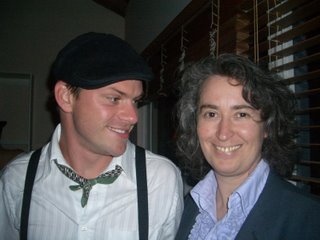
Jeanette Henman (pictured) is my cataloguing mentor and friend, she patiently taught me about kindness and cataloguing during my working days at Charles Sturt University, Library.
Kindness. Naomi Shihab Nye
Kindness
Before you know what kindness really is
you must lose things,
feel the future dissolve in a moment
like salt in a weakened broth
What you held in your hand,
what you counted and carefully saved,
all this must go so you know
how desolate the landscape can be
between the regions of kindness.
How you ride and ride
thinking the bus will never stop,
the passengers eating maize and chicken
will stare out the window forever.
Before you learn the tender gravity of kindness,
you must travel where the Indian in a white poncho
lies dead by the side of the road.
You must see how this could be you,
how he too was someone
who journeyed through the night with plans
and the simple breath that kept him alive.
Before you know kindness as the deepest thing inside,
You must know sorrow as the other deepest thing.
You must wake up with sorrow.
You must speak it till your voice
catches the thead of all sorrows
and you see the size of the cloth.
Then it is only kindness that makes sense any more,
only kindness that ties your shoes
and sends you out into the day to mail letters and purchase bread,
only kindness that raises its head
from the crowd of the world to say
It is I you have been looking for,
and then goes with you everywhere
like a shadow or a friend.
Naomi Shihab Nye, Words Under the Words, Eighth Mountain Press, 1995
Before you know what kindness really is
you must lose things,
feel the future dissolve in a moment
like salt in a weakened broth
What you held in your hand,
what you counted and carefully saved,
all this must go so you know
how desolate the landscape can be
between the regions of kindness.
How you ride and ride
thinking the bus will never stop,
the passengers eating maize and chicken
will stare out the window forever.
Before you learn the tender gravity of kindness,
you must travel where the Indian in a white poncho
lies dead by the side of the road.
You must see how this could be you,
how he too was someone
who journeyed through the night with plans
and the simple breath that kept him alive.
Before you know kindness as the deepest thing inside,
You must know sorrow as the other deepest thing.
You must wake up with sorrow.
You must speak it till your voice
catches the thead of all sorrows
and you see the size of the cloth.
Then it is only kindness that makes sense any more,
only kindness that ties your shoes
and sends you out into the day to mail letters and purchase bread,
only kindness that raises its head
from the crowd of the world to say
It is I you have been looking for,
and then goes with you everywhere
like a shadow or a friend.
Naomi Shihab Nye, Words Under the Words, Eighth Mountain Press, 1995
Friday, October 20, 2006
Web Searching Behaviors. Boxes and Arrows' Interview with Amanda Spink
The Boxes and Arrows article Long Tail and Short Queries: an Interview with Amanda Spinks showcases a researcher who has considered her subject, web searching behaviours, for some time. Her ideas are some what different to James Robertson who presented at the Southern Currents conference, he believes training the average user to become better equipped for web searching is hopeless. However, Spinks believes that long term training is fundamental.
Spinks provides a number of insights on bridging the gap between behavior and outcome, such as developers experimenting on how to adapt librarians reference interview techniques to help solve the phenomena (thanks to ubiquitous computing/web), of the average punter's information desires and their search behaviors. Most folks are lazy in their articulation of the search with their question (information required). Its exciting to see this revolution of information access, the great world liberation, a sort of information equality.
Though as George Orwell suggested 'All animals are equal, but some animals are more equal than others.' As some of us are better placed in the information management society. I'd like to see a generational approach to adjust to the power of thinking like a librarian. (smile) Start with kids after they've learnt the abcs and 123s.
Spinks provides a number of insights on bridging the gap between behavior and outcome, such as developers experimenting on how to adapt librarians reference interview techniques to help solve the phenomena (thanks to ubiquitous computing/web), of the average punter's information desires and their search behaviors. Most folks are lazy in their articulation of the search with their question (information required). Its exciting to see this revolution of information access, the great world liberation, a sort of information equality.
Though as George Orwell suggested 'All animals are equal, but some animals are more equal than others.' As some of us are better placed in the information management society. I'd like to see a generational approach to adjust to the power of thinking like a librarian. (smile) Start with kids after they've learnt the abcs and 123s.
Tai Chi. Moving Meditation - Key To Mental Health
Moving Meditation - Key To Mental Health
In its normal state the mind is a constant source of mental activity, a never-ending network of thought associations. In the endless sea of thoughts the mind gets no rest. Even in sleep, unfinished business during the day is played out on dream fantasies. All these, coupled with the hectic pace of life and the unceasing demands at our work place results in great mental stress.
It has been said that more that 50% of illnesses treated by modern doctors can be attributed to psychosomatic disorders or directly or indirectly to mental stress. Mental stress can also cause physical illnesses such as cardiovascular problems and high blood pressure.
Tai Chi's flowing movements and energy meditations have the therapeutic effect of slowing down the pace and refreshes the mind and the body. When performing Tai Chi the mind visualises each and every movement while the body gives physical expression to that mental image. For example, in the movement called 'Grasping the bird's tail', the mind visualises the open left palm supporting a delicate little bird, while the right palm strokes its head, runs down its back and through to its tail. As the birds flies away the body rotates to follow its flight.
The active participation of the mind with the body movements creates a sense of softness and sensitivity resulting in a very pleasant flowing meditation. This in essence exercise the central nervous system and improves mental relaxation
Celestial College of Tai Chi Australia
In its normal state the mind is a constant source of mental activity, a never-ending network of thought associations. In the endless sea of thoughts the mind gets no rest. Even in sleep, unfinished business during the day is played out on dream fantasies. All these, coupled with the hectic pace of life and the unceasing demands at our work place results in great mental stress.
It has been said that more that 50% of illnesses treated by modern doctors can be attributed to psychosomatic disorders or directly or indirectly to mental stress. Mental stress can also cause physical illnesses such as cardiovascular problems and high blood pressure.
Tai Chi's flowing movements and energy meditations have the therapeutic effect of slowing down the pace and refreshes the mind and the body. When performing Tai Chi the mind visualises each and every movement while the body gives physical expression to that mental image. For example, in the movement called 'Grasping the bird's tail', the mind visualises the open left palm supporting a delicate little bird, while the right palm strokes its head, runs down its back and through to its tail. As the birds flies away the body rotates to follow its flight.
The active participation of the mind with the body movements creates a sense of softness and sensitivity resulting in a very pleasant flowing meditation. This in essence exercise the central nervous system and improves mental relaxation
Celestial College of Tai Chi Australia
Tai Chi. Good Postures
GOOD POSTURES
Agile (igenious) means active and intelligent. From lightness come relaxation and firmness. From relaxation and firmness the ability to adhere and attach will be developed. When you can adhere and attach, you will be able to connect and follow. Only when you can connect and follow will your movement be igenious and active, so that finally you can apprehend the technique of not letting go and not resisting.
Round means rounded out. The movement of every posture should be rounded out without hollows or deficiencies, so that the whole body can act as one unit and the defects of hollows, projections andseverances will be avoided. When the energy is applied in Pushing Hands practice, it cannot be light and nimble if the postures are not rounded out. If the postures can be rounded out, they will be active.If you can attain roundness in every movement of your postures, there will be no position in which you are at a disadvantage.
Lively menas active and alert, without clumsiness and stagnation. If you have a thorough understanding of all the above mentioned principles, you can stretch and contract, open and close, advance and retreat freely and without hindrance. The Classics say,"If one can breathe properly, one's movement will be agile and active."
Foundation In Tai Chi training, good postures is essential. When one first practices the postures, laying a proper foundation is of utmost importance. In practicing the postures, one must seek correctness and exactness. Each posture must be central, upright, tranquil and comfortable. The movements must be slow, light, agile, rounded and lively. This is the way to enter the gate. The student must follow the proper sequence and make gradual progress so that time and effort will not be spent in vain and he can acquire the art in the shortest way.
Centrality means that the mind and the chi are centered and harmonized; the spirit of vitality is clear, and the chi sinks deeply to the tan tien. The root is in the foot; this is the foothold. The center of gravity is in the waist and spine-this is what the Classics mean by saying, "The source is in the waist." The spirit of vitality is concealed within and not exposed without, then one can have central equilibrium and deep tranquility.
Upright means that the postures must be correct and proper and must avoid leaning or inclining. When issuing energy or extending and aiming in a certain direction, you must maintain your center of gravity. For the center of gravity is the axis of the entire body. When the center of gravity has been firmly established, the movements of opening and closing will be alert, active and at will. If the center of gravity is not well established, then the opening and closing loses its pivot point. It is like an axletree of a cartwheel; if the axletree is not on center and is not adapted to the center of gravity of the cart, then the turning of the cartwheel as it goes forward or backward will lose its usefulness. When the postures are correct, the center of gravity will be secure.....
Tranquil means peaceful, quiet and relaxed, avoiding any tension. Obtaining peace and tranquility in a natural way so that the chi can circulate throughout the entire body with no impediment comes from the peaceful and secure postures, the even and regulated movement, the deep and slow respiraton, and the calm chi and spirit of vitality.
Comfortable means stretching out comfortably. Therefore the classics say, "At first seek open and expanded postures; later seek to make them close and compact." When one first practices the postures, the movements should be open and widely stretched, enabling every section of the joints to be comfortably expanded. One must not intentionally use external muscular force to expand the sinews and bones, but make the movements in a natural, slow and relaxed way. With gradual practice, the movements will become relaxed, lively, and sunken deeply.
Light means empty and easy, but not floating. When you practice the postures, the movement should be light, nimble, and slow so that you can advance and retreat at will. Gradually a relaxed and lively energy will be developed. Later the energy of attaching and adhering will be created. Therefore, the word 'light'is the first step in practising Tai Chi and is the way to enter the gate.
Celestial College of Tai Chi Australia
Agile (igenious) means active and intelligent. From lightness come relaxation and firmness. From relaxation and firmness the ability to adhere and attach will be developed. When you can adhere and attach, you will be able to connect and follow. Only when you can connect and follow will your movement be igenious and active, so that finally you can apprehend the technique of not letting go and not resisting.
Round means rounded out. The movement of every posture should be rounded out without hollows or deficiencies, so that the whole body can act as one unit and the defects of hollows, projections andseverances will be avoided. When the energy is applied in Pushing Hands practice, it cannot be light and nimble if the postures are not rounded out. If the postures can be rounded out, they will be active.If you can attain roundness in every movement of your postures, there will be no position in which you are at a disadvantage.
Lively menas active and alert, without clumsiness and stagnation. If you have a thorough understanding of all the above mentioned principles, you can stretch and contract, open and close, advance and retreat freely and without hindrance. The Classics say,"If one can breathe properly, one's movement will be agile and active."
Foundation In Tai Chi training, good postures is essential. When one first practices the postures, laying a proper foundation is of utmost importance. In practicing the postures, one must seek correctness and exactness. Each posture must be central, upright, tranquil and comfortable. The movements must be slow, light, agile, rounded and lively. This is the way to enter the gate. The student must follow the proper sequence and make gradual progress so that time and effort will not be spent in vain and he can acquire the art in the shortest way.
Centrality means that the mind and the chi are centered and harmonized; the spirit of vitality is clear, and the chi sinks deeply to the tan tien. The root is in the foot; this is the foothold. The center of gravity is in the waist and spine-this is what the Classics mean by saying, "The source is in the waist." The spirit of vitality is concealed within and not exposed without, then one can have central equilibrium and deep tranquility.
Upright means that the postures must be correct and proper and must avoid leaning or inclining. When issuing energy or extending and aiming in a certain direction, you must maintain your center of gravity. For the center of gravity is the axis of the entire body. When the center of gravity has been firmly established, the movements of opening and closing will be alert, active and at will. If the center of gravity is not well established, then the opening and closing loses its pivot point. It is like an axletree of a cartwheel; if the axletree is not on center and is not adapted to the center of gravity of the cart, then the turning of the cartwheel as it goes forward or backward will lose its usefulness. When the postures are correct, the center of gravity will be secure.....
Tranquil means peaceful, quiet and relaxed, avoiding any tension. Obtaining peace and tranquility in a natural way so that the chi can circulate throughout the entire body with no impediment comes from the peaceful and secure postures, the even and regulated movement, the deep and slow respiraton, and the calm chi and spirit of vitality.
Comfortable means stretching out comfortably. Therefore the classics say, "At first seek open and expanded postures; later seek to make them close and compact." When one first practices the postures, the movements should be open and widely stretched, enabling every section of the joints to be comfortably expanded. One must not intentionally use external muscular force to expand the sinews and bones, but make the movements in a natural, slow and relaxed way. With gradual practice, the movements will become relaxed, lively, and sunken deeply.
Light means empty and easy, but not floating. When you practice the postures, the movement should be light, nimble, and slow so that you can advance and retreat at will. Gradually a relaxed and lively energy will be developed. Later the energy of attaching and adhering will be created. Therefore, the word 'light'is the first step in practising Tai Chi and is the way to enter the gate.
Celestial College of Tai Chi Australia
Tai Chi teaching. Melbourne locations.
Tai chi is a fanastic mobile theraputic and fun practice. Tai chi creates a calming bridge between our external and internal environments. I've been working with Master Chin Min as a trainee instructor for 7 years. I teach classes at two Celestial Tai Chi College locations.
- Prahran Taekwondo School 178 High Street. Saturdays 9:30am
- South Yarra Community Baptist Centre12 Surrey Road. Mondays 6:30pm
Types of Forms taught
- Yang style - long form
- Beijing 24
- Chi Kung exercises, Wild Goose and Lohan
- Classical and Broad sword
Thursday, October 19, 2006
KK Eclectic - links
KK eclectic
Blogs
Hot Cross Haiku http://hotcrosshaiku.blogspot.com/
Buddhism
Alan Watts
BBC - Religion & Ethics - The Four Noble Truths
Melbourne Buddhist Centre
Windhorse Tibetan Buddhist Emporium. Tilba
Community – for social justice
Joy 94.9 FM gay and lesbian community radio – web stream
GetUp! Action for Australia
Environment
Ceres – Community Environment Park
The Green Directory
Libraries, research and human rights
Equal Opportunity Commission - Victoria. Library
LLRX.com - Update to Researching Australian Law
Official UN Universal Declaration of Human Rights Home Page
Infoxchange Australia – Technology for Social Justice
Victoria Legal Aid - Library
Martial Arts
Prahran Taekwondo School
Search engines and databases – Victoria & Australia
CitySearch.com.au Australia - Your guide to the city of Melbourne
Dogpile Web Search Home Page
Infoxchange Australia – Technology for Social Justice
Information Victoria homepage
National Library Pathways – Searching the Internet
Victoria Online Government Entry Point for Victorians
VICNET Maps - Victoria
Victorian Galleries
Tai Chi
Celestial College of Tai Chi of Australia
Wellbeing
Brunswick Baths
Serotonin mood, emotion, sleep and appetite
Serotonin and Judgment
Blogs
Hot Cross Haiku http://hotcrosshaiku.blogspot.com/
Buddhism
Alan Watts
BBC - Religion & Ethics - The Four Noble Truths
Melbourne Buddhist Centre
Windhorse Tibetan Buddhist Emporium. Tilba
Community – for social justice
Joy 94.9 FM gay and lesbian community radio – web stream
GetUp! Action for Australia
Environment
Ceres – Community Environment Park
The Green Directory
Libraries, research and human rights
Equal Opportunity Commission - Victoria. Library
LLRX.com - Update to Researching Australian Law
Official UN Universal Declaration of Human Rights Home Page
Infoxchange Australia – Technology for Social Justice
Victoria Legal Aid - Library
Martial Arts
Prahran Taekwondo School
Search engines and databases – Victoria & Australia
CitySearch.com.au Australia - Your guide to the city of Melbourne
Dogpile Web Search Home Page
Infoxchange Australia – Technology for Social Justice
Information Victoria homepage
National Library Pathways – Searching the Internet
Victoria Online Government Entry Point for Victorians
VICNET Maps - Victoria
Victorian Galleries
Tai Chi
Celestial College of Tai Chi of Australia
Wellbeing
Brunswick Baths
Serotonin mood, emotion, sleep and appetite
Serotonin and Judgment
Southern Currents. Law librarians, unworthy knowledge,human rights
I attended the inaugural Australasian Law Librarian’s conference, held at Melbourne University Law School.
Here are some personal highlights below;
One of Australia's better known barrister's Julian Burnside captured my attention in his presentation on Human Rights and the Rule of Law. Mr Burnside spoke about some of his cases,Tampa, Refugees, the Stolen generation, September 11 and the emergence of new anti-terrorism laws which has changed the landscape of the ‘rule of law.’ According to Mr Burnside we are concerned about human rights for ourselves and our mates, but we are less concerned when human rights are violated to make us feel safer. And we’ll continue to see violation of human rights thriving because three conditions exist-a real or perceived threat to Australia-no political opposition-the media are weak or compliant
Mr Burnside asks us to reframe how we see human rights, he considers the law is a clumsy tool and the meaning of human rights works by human rights being recognised in favour of the individual, and how we treat each other.
Peter Moon kicked off the conference presentations by arguing for the value of ‘Unworthy knowledge’, how personal history and cultural mind sets act as the major determinate on user behaviours to access and share information resources. His stimulating presentation The Shifting Landscape: New Technologies and Future Directions explored the relationship between the individual’s information engagement and broader issues like social computing. We now have the Internet framework fading into background and emerging is the next generation IP6 that is creating a greater device to device connection, providing users with multiple sessions of communications capability, lower data transfer costs and an embedding of ubiquitous computing into our lives and expectations. Peter suggested that the mindset of the young lawyer is no longer tied to enterprise technology and the rules of fortress knowledge, instead, they own their research capability and mobility. The legal research environment can according to Mr Moon, be transformed; by sources of unworthy knowledge such as RSS, Pod casting and Wikis and by recognising how technology can provide choices for both workplace and parenting flexibility.
New Zealand team Dr Petra Butler and Andrew Butler used case studies to illustrate 16 years of the NZ’s Bill of Rights Act 1990. A delightfully informative session that included a draft paper (see link below) and suggestions on conducting comparative legal research, useful and timely with Victoria’s introduction of the Charter of Human Rights and Responsibilities Act 2006.
Simon Mount’s multi-media presentation, Prosecuting Pitcairn wove a fascinating blend of narrative history and a fresh take on court technology and legal research. Were as, Justice Simon Whelan took a less formal, manila folder approach to explain Victorian courts uptake on technology.
Overall, the program featured an interesting agenda of topics and fine presenters who affected in me a re-enchantment with librarianship and its relationship with the law. I believe it’s an inside job, the research and information delivery passions remain the same, the external conditions will always be changeable.
Presentations – a selection
Ruth Bird A Moveable Feast - Law Librarianship in the Noughties
Dr Petra Butler and Andrew Butler The New Zealand Bill of Rights Act 1990: 15 Years On
Simon Mount Prosecuting Pitcairn
Tony Boston National Library Services to the Library Community
Julian Burnside’s website http://www.julianburnside.com/
Latest news and projects from Julian’s homepage
· An Inconvenient Truth: a remarkable film by Al Gore. If you do not see it, your children will not forgive you.
· Jack Thomas freed - ‘confession’ excluded; even in the “war on terror” the authorities must obey the law.read about the control order subsequently made against him
· New site: A good collection of human rights information and links at HumanRightsTools
· Read the landmark decision in Hamdan v Rumsfeld
· Melbourne's most popular arts venue: fortyfivedownstairs at 45 Flinders Lane
· The Charter of Rights in Victoria
· The Centre for Constitutional Rights
Here are some personal highlights below;
One of Australia's better known barrister's Julian Burnside captured my attention in his presentation on Human Rights and the Rule of Law. Mr Burnside spoke about some of his cases,Tampa, Refugees, the Stolen generation, September 11 and the emergence of new anti-terrorism laws which has changed the landscape of the ‘rule of law.’ According to Mr Burnside we are concerned about human rights for ourselves and our mates, but we are less concerned when human rights are violated to make us feel safer. And we’ll continue to see violation of human rights thriving because three conditions exist-a real or perceived threat to Australia-no political opposition-the media are weak or compliant
Mr Burnside asks us to reframe how we see human rights, he considers the law is a clumsy tool and the meaning of human rights works by human rights being recognised in favour of the individual, and how we treat each other.
Peter Moon kicked off the conference presentations by arguing for the value of ‘Unworthy knowledge’, how personal history and cultural mind sets act as the major determinate on user behaviours to access and share information resources. His stimulating presentation The Shifting Landscape: New Technologies and Future Directions explored the relationship between the individual’s information engagement and broader issues like social computing. We now have the Internet framework fading into background and emerging is the next generation IP6 that is creating a greater device to device connection, providing users with multiple sessions of communications capability, lower data transfer costs and an embedding of ubiquitous computing into our lives and expectations. Peter suggested that the mindset of the young lawyer is no longer tied to enterprise technology and the rules of fortress knowledge, instead, they own their research capability and mobility. The legal research environment can according to Mr Moon, be transformed; by sources of unworthy knowledge such as RSS, Pod casting and Wikis and by recognising how technology can provide choices for both workplace and parenting flexibility.
New Zealand team Dr Petra Butler and Andrew Butler used case studies to illustrate 16 years of the NZ’s Bill of Rights Act 1990. A delightfully informative session that included a draft paper (see link below) and suggestions on conducting comparative legal research, useful and timely with Victoria’s introduction of the Charter of Human Rights and Responsibilities Act 2006.
Simon Mount’s multi-media presentation, Prosecuting Pitcairn wove a fascinating blend of narrative history and a fresh take on court technology and legal research. Were as, Justice Simon Whelan took a less formal, manila folder approach to explain Victorian courts uptake on technology.
Overall, the program featured an interesting agenda of topics and fine presenters who affected in me a re-enchantment with librarianship and its relationship with the law. I believe it’s an inside job, the research and information delivery passions remain the same, the external conditions will always be changeable.
Presentations – a selection
Ruth Bird A Moveable Feast - Law Librarianship in the Noughties
Dr Petra Butler and Andrew Butler The New Zealand Bill of Rights Act 1990: 15 Years On
Simon Mount Prosecuting Pitcairn
Tony Boston National Library Services to the Library Community
Julian Burnside’s website http://www.julianburnside.com/
Latest news and projects from Julian’s homepage
· An Inconvenient Truth: a remarkable film by Al Gore. If you do not see it, your children will not forgive you.
· Jack Thomas freed - ‘confession’ excluded; even in the “war on terror” the authorities must obey the law.read about the control order subsequently made against him
· New site: A good collection of human rights information and links at HumanRightsTools
· Read the landmark decision in Hamdan v Rumsfeld
· Melbourne's most popular arts venue: fortyfivedownstairs at 45 Flinders Lane
· The Charter of Rights in Victoria
· The Centre for Constitutional Rights
Wednesday, October 18, 2006
Dipa ma teachings. East brunswick buddhist discussion

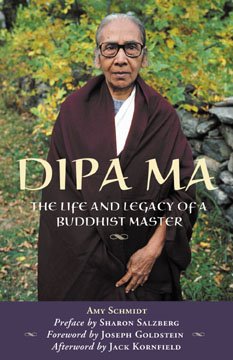
Last night, members of a melbourne fwbo, tuesday study group held an engaging discussion on Dipa Ma's "ten lessons to live by" chapter 11, from Amy Schmidt's book Dipa Ma. The Life and legacy of a Buddhist master. We shared our stories on individual meditation practice, learning mindfulness of breathing and metta practice in group sessions at the melbourne buddhist centre.
- Lesson One
Subscribe to:
Posts (Atom)